
Recently, I found myself revisiting a book my dad gave me years ago—The Canon of Medicine by the Persian physician and philosopher Ibn-Sina (Avicenna). This timeless encyclopedia of traditional Persian medicine mirrors many principles of Classical Chinese Medicine.
Ibn-Sina praised sesame seeds, using them in remedies to support vitality, immunity, and overall strength. He recommended specific preparations like boiling powdered sesame in water with honey for menstrual issues and including them in diets with other beneficial foods like almonds, walnuts, and dates for sperm health and strength, recognizing their rich nutrient profile and adaptogenic qualities.
In Daoist nutrition, sesame seeds are considered foundational.
Seeds in general resonate with the Kidneys, which govern both the bones and the brain. It’s no surprise, then, that sesame seeds are regarded as one of the most important foods for supporting mental clarity and bone health.
With their abundant mineral content, sesame seeds are one of the most essential plant-based sources of calcium.
And because calcium supplements can sometimes do more harm than good—contributing to buildup in the bloodstream—turning to calcium-rich foods becomes all the more important.
How to Reap the Benefits of Sesame Seeds
Sesame seeds can be sprinkled over just about anything, but to get the therapeutic value of this nutrient-dense superfood, you’ll need to eat a lot of seeds.
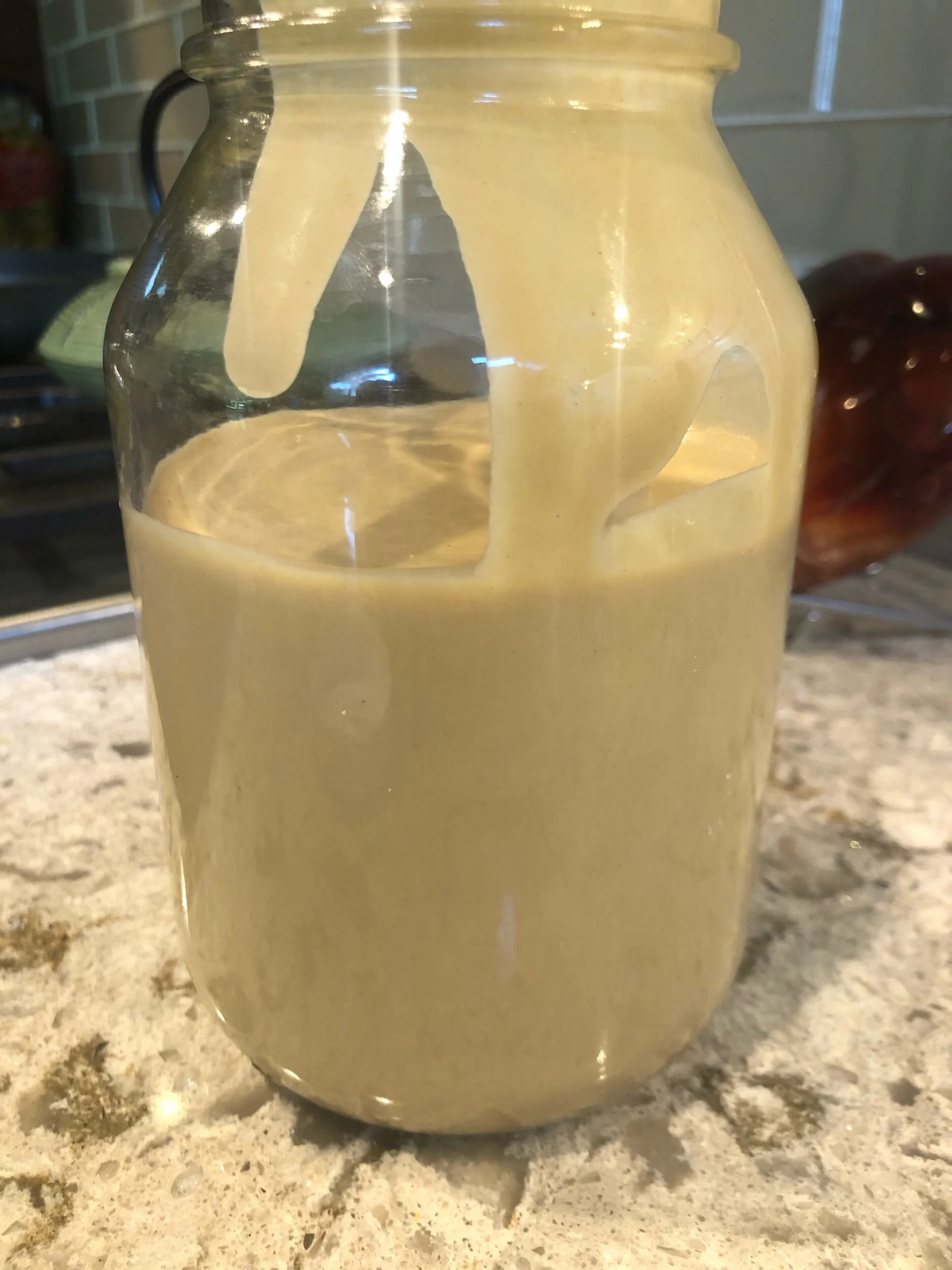
Since eating enough whole seeds to truly benefit from them can be challenging, I’m sharing how to make your own homemade tahini—a creamy sesame spread you can enjoy in countless ways.
An important note before I share that…
As you’ll learn in my upcoming Yin & Yang of Nutrition workshop, no food is appropriate for everyone all the time. Sesame seeds by example have a warming quality, which means that you may want to avoid eating them if you have conditions involving too much heat or dampness, including acne as well as diverticulitis, high blood pressure, and gout (due to their high oxalate content).
Excessive consumption of seeds and especially seed butters in general can contribute to a damp, or fungal terrain, in the body. Symptoms would include sinus congestion, accumulation of phlegm nodules, cough with phlegm and excessive mucus in any of the orifices. You can be sure that you’re dealing with too much dampness if you notice a thick coating on the surface of your tongue.
In cases like this, it would be best to minimize or even avoid this and similar foods and instead focus on clearing the body with more cooked, bitter leafy green vegetables.
But there is a reason why seeds are generally more easily tolerated than nuts — nuts resonate with the Lungs and activate Wei Qi, the energy that fuels your immune system. Wei Qi travels along the surface of your skin during the day and goes deep into the Kidneys to help you sleep at night.
The problem is that over-activation of Wei Qi can lead to a hyperactive immune response leading to allergies, skin problems and even insomnia.
Seeds, on the other hand, resonate with the Kidneys, which house your essence and modulate the aging process.
But because of their damp and warming nature, you may have trouble digesting seeds, which is why it’s important to strengthen your gut health and understand what foods are beneficial for you, and when.
Here’s a great way to begin that process.
There are so many ways to enjoy tahini. A teaspoon to tablespoon a day of sesame seeds/tahini on toast or as a dip with veggies, crackers, or bread, or drizzled over your favorite chicken, beef or tofu dish is delicious.
For a healthy sweet treat, you can mix tahini with molasses, honey or dates.
How to Make Homemade Tahini in 3 Easy Steps
You’ll need:
4 cups hulled sesame seeds
2 tablespoons high quality extra virgin olive oil
A pinch of salt (or more depending on your taste)
Step 1
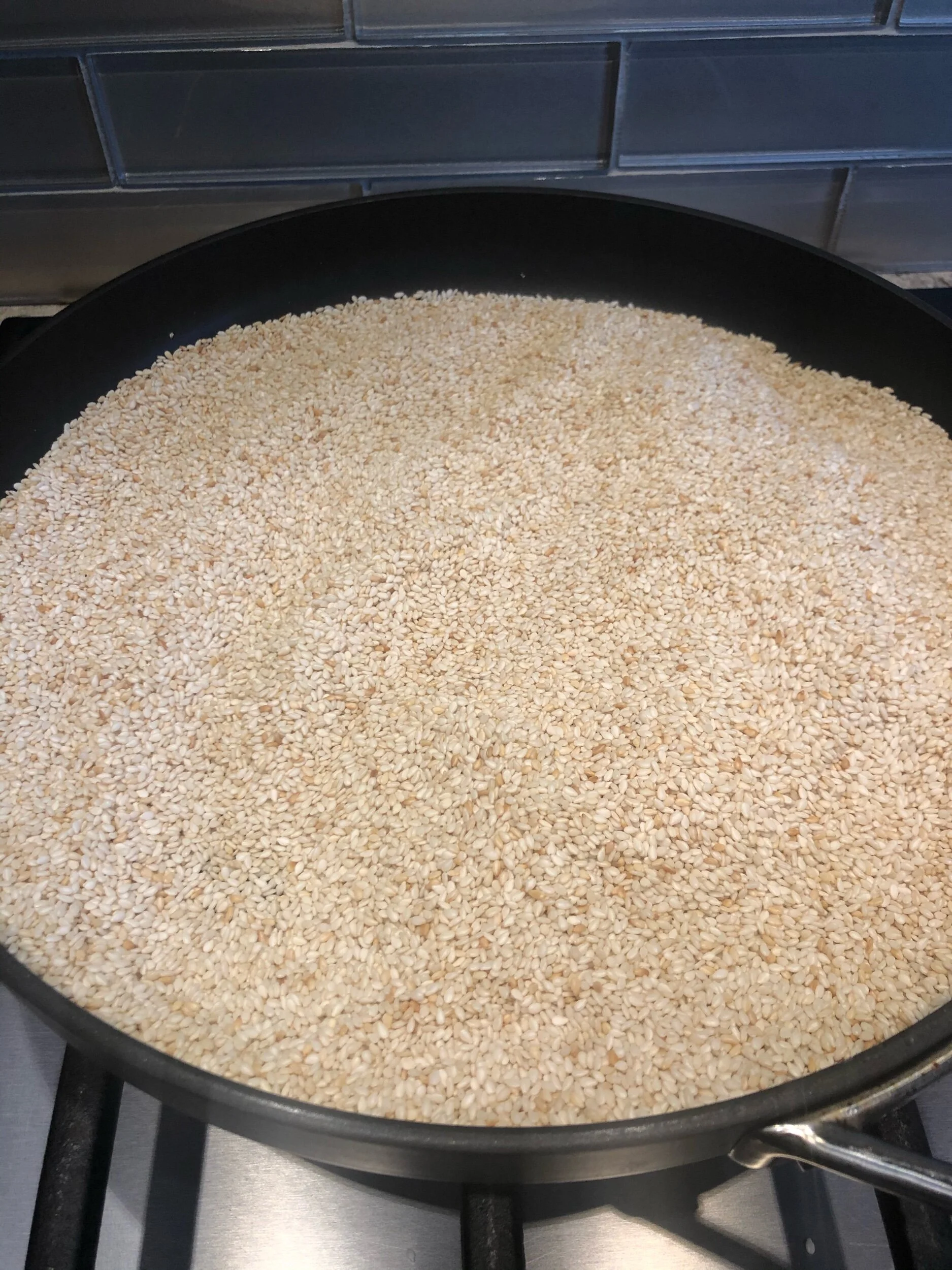
Lightly toast the sesame seeds in a pan on medium low heat, stirring often until light golden brown (you’ll know they’re ready when they become slightly aromatic, about 5-7 minutes).
Step 2
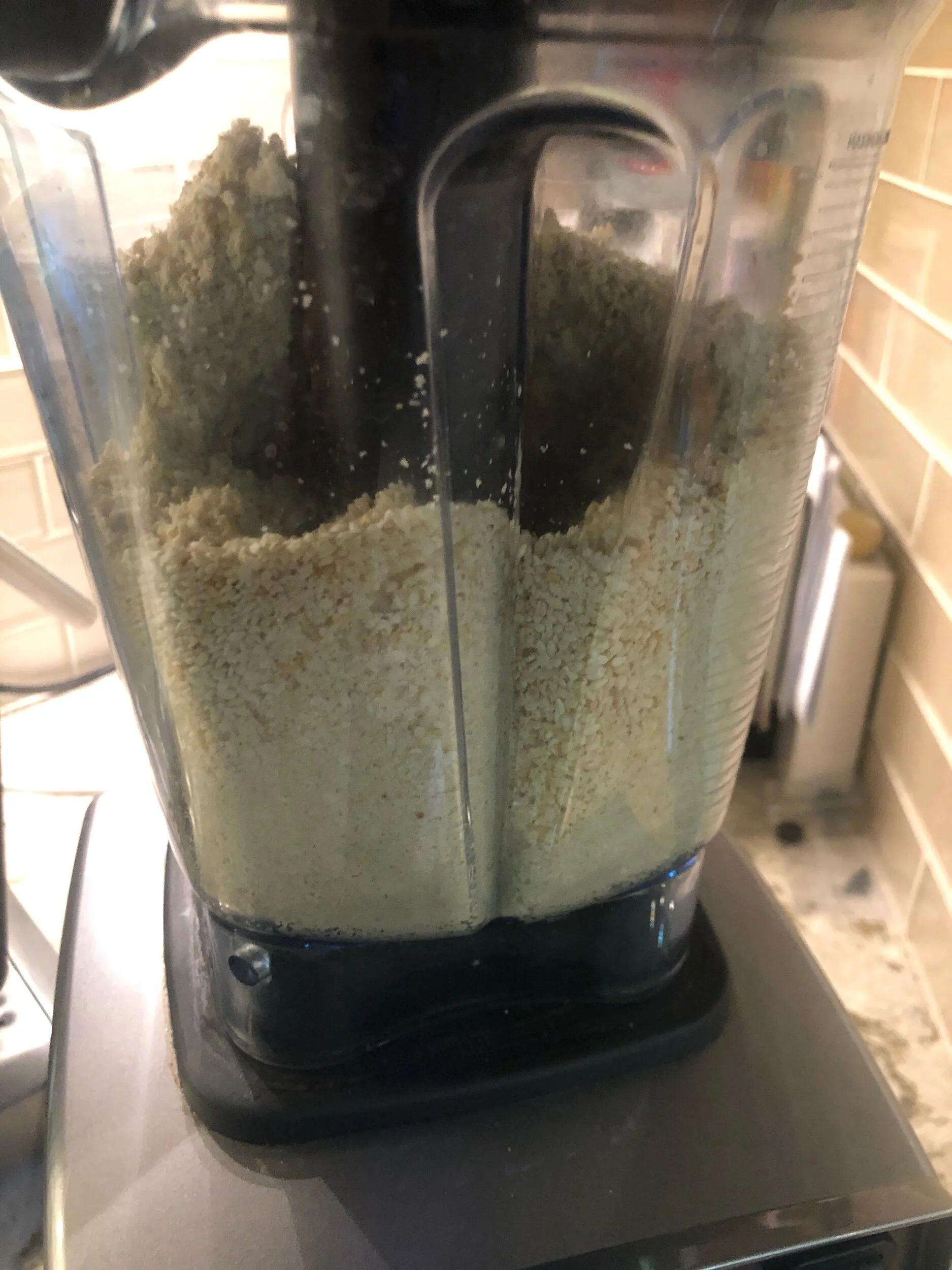
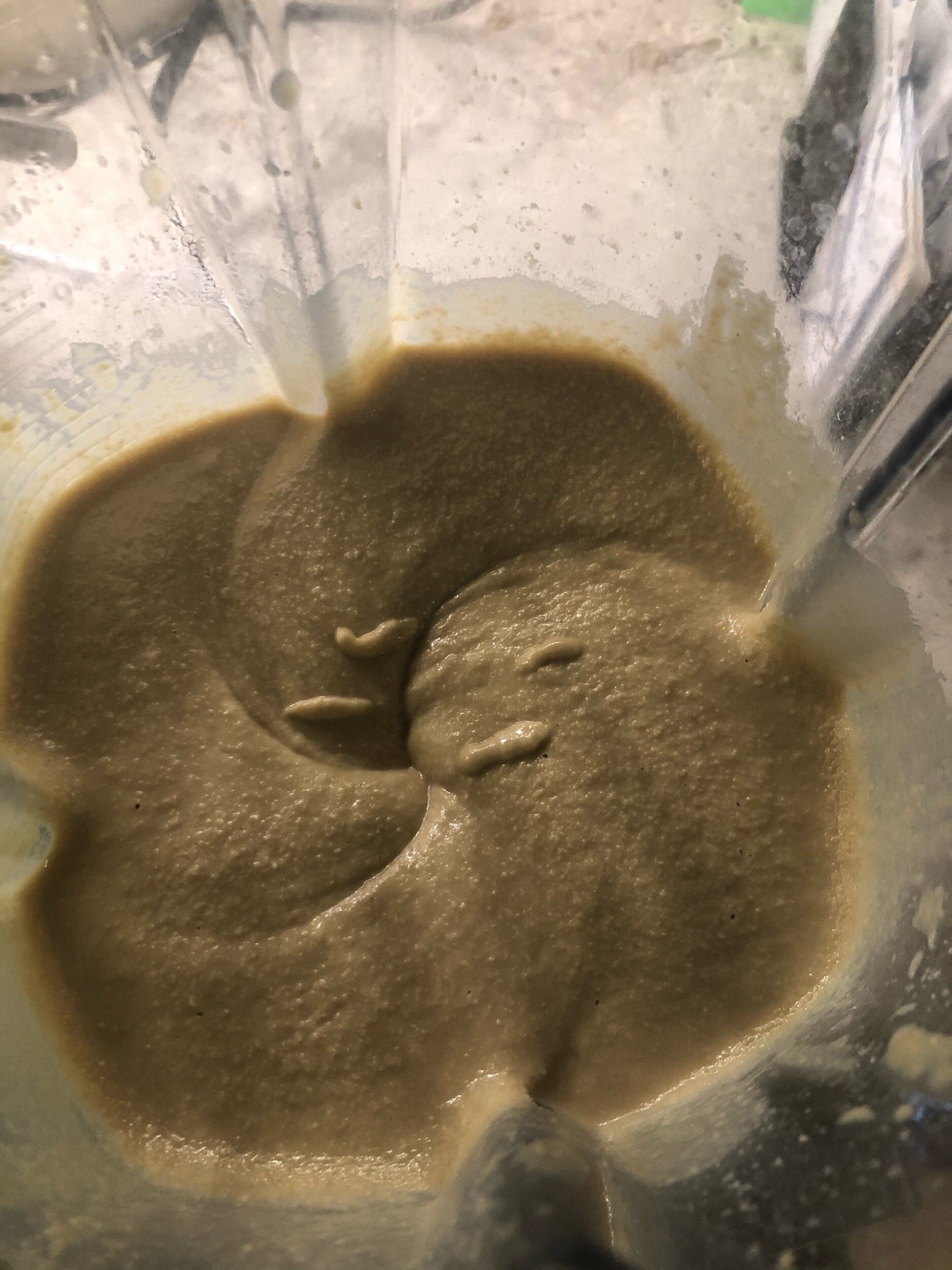
Allow the seeds to cool slightly then transfer them into a Vitamix or similar blender and slowly progress to blending on high for 1 minute. Add the oil and salt and blend on high for another 1-2 minutes until soft and creamy.
Step 3
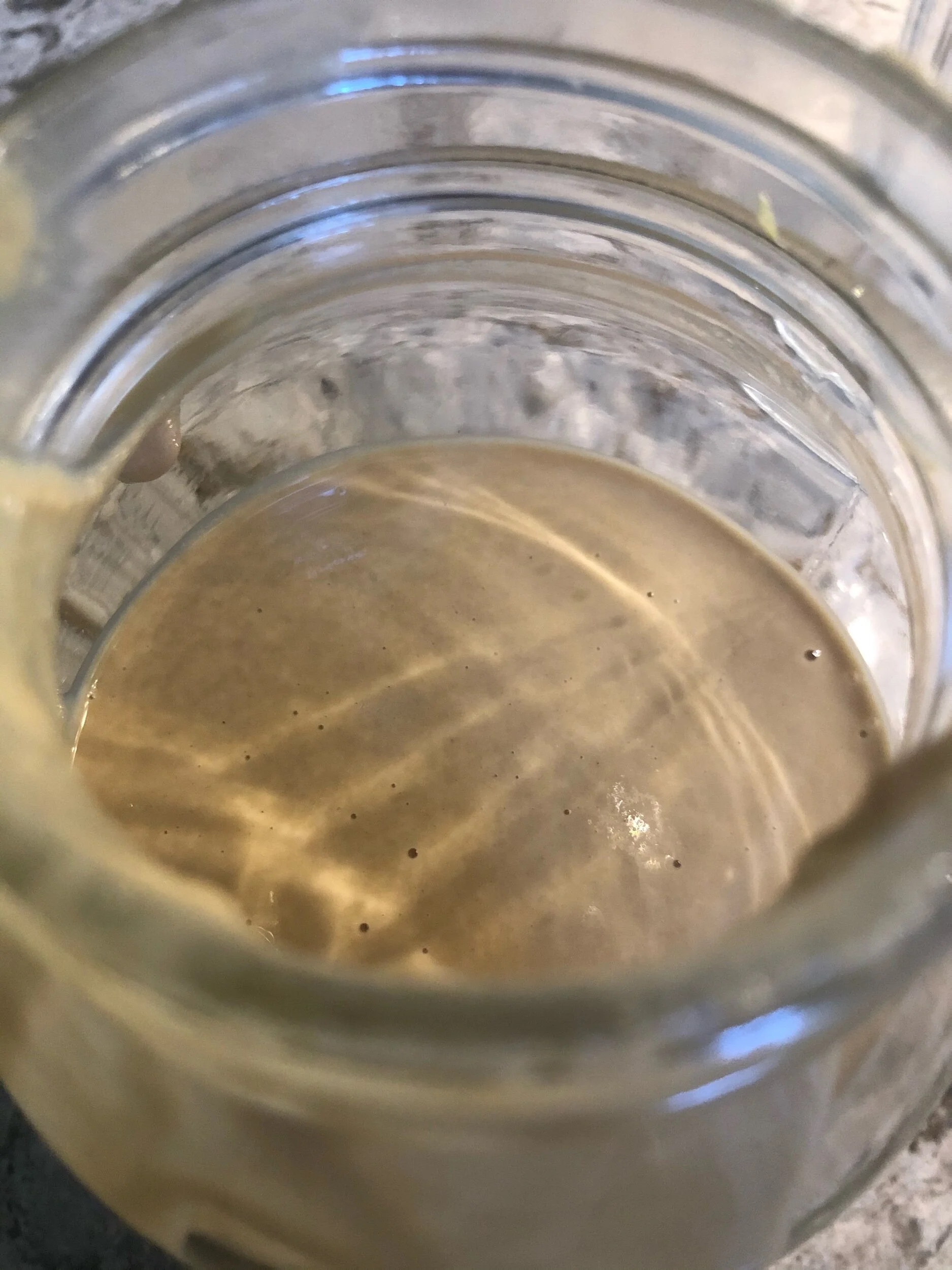
Transfer to a jar and store in the refrigerator.
Enjoy as a dip or with baba ghanoush, hummus or in your favorite dessert recipe.
PS you can follow the same steps to make homemade sunflower butter too! 💗